Breaking News
Enter your email address below and subscribe to our newsletter

 ByTwitter
Dive inside the Character AI community to explore key trends, user behavior, and the evolving culture shaping AI roleplay platforms in 2026.
The Character AI community isn’t just a group of users chatting with bots. It’s a full ecosystem with its own culture, trends, inside jokes, and behavioral patterns that evolve faster than most social platforms.
Spend enough time in it, and you’ll notice something strange: people aren’t just using AI. They’re forming habits, identities, and even emotional routines around it.
This article breaks down what’s actually happening inside the Character AI community in 2026.
Character AI sits somewhere between a game, a social network, and a storytelling engine.
Users aren’t just consuming content. They’re co-creating it in real time.
Key shifts:
This changes how people engage with digital platforms entirely.
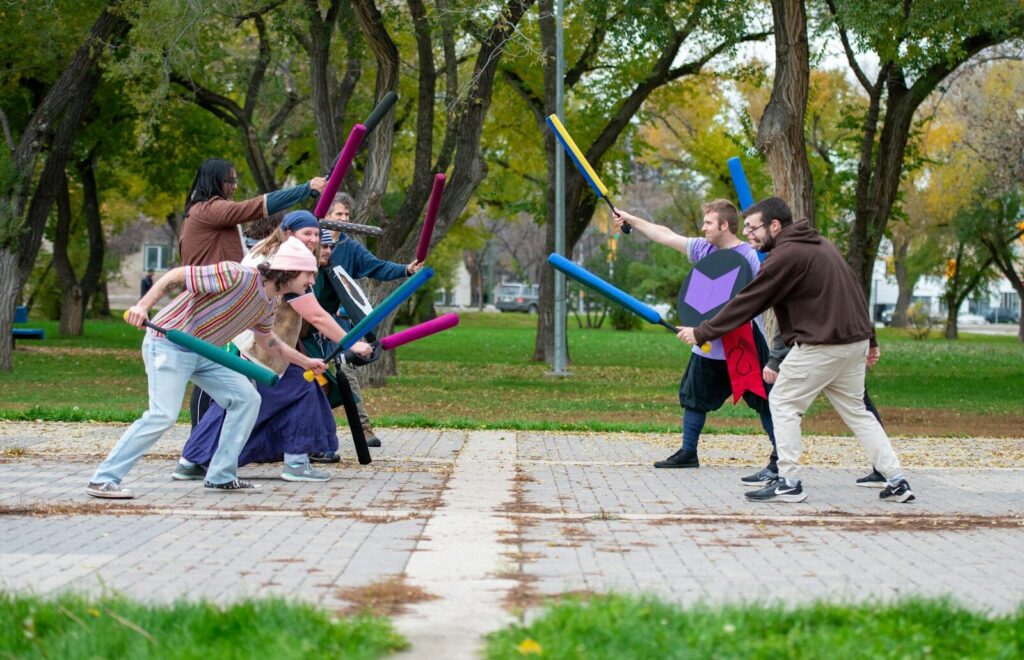
Roleplay dominates the platform. Users create scenarios ranging from casual conversations to complex, multi-layered story arcs.
Common formats:
Users don’t just interact—they build.
Creating characters has become a skill, with users optimizing:
Some creators even gain followings based on their characters.
Better prompts = better experiences.
The community has developed shared techniques for:
Frustration with filters has pushed users toward alternatives like Janitor AI and SillyTavern.
This trend reflects a broader demand for control and creative freedom.
Users often form strong emotional connections with characters.
This isn’t surprising—AI interactions can feel personal, responsive, and consistent.
The community has developed its own humor, including:
Users treat characters as both fictional constructs and interactive entities.
This creates a unique hybrid experience that feels part-game, part-relationship.
Users often spend extended periods in conversations, sometimes hours at a time.
Instead of one-off chats, users refine and revisit scenarios repeatedly.
Some users engage with multiple characters simultaneously, creating interconnected narratives.
Users constantly test limits—both creatively and technically.
Filters shape how users interact.
Effects include:
Restrictions don’t eliminate behavior—they redirect it.
A small but growing segment of users focuses on creating high-quality characters.
These creators:
Some even treat it like a portfolio.
Despite these issues, engagement remains high.
The community will likely grow more sophisticated as tools improve.
The Character AI community is more than just a user base. It’s a fast-evolving digital culture shaped by technology, creativity, and human behavior.
Understanding it isn’t just interesting—it’s essential if you want to build, market, or participate in AI-driven platforms.
Because what’s happening here is a preview of how people may interact with AI in the future.
The community is known for roleplay, character creation, and highly interactive storytelling experiences where users engage deeply with AI personalities.
Because AI conversations feel responsive and personalized, users may develop emotional attachment through repeated and immersive interactions.
Major trends include advanced roleplay, prompt engineering, character building, and migration to less restricted platforms.
Filters often lead users to modify language, shorten conversations, or move to alternative platforms with fewer restrictions.
Yes. The community continues to expand as AI tools become more accessible and capable.