Breaking News


Enter your email address below and subscribe to our newsletter
 ByTwitter
AI companions vs real interaction—what’s the difference? Explore the benefits, risks, and real impact of AI chatbots on communication and emotional connection.
Somewhere along the way, talking to AI stopped being a novelty and started becoming… normal.
People now use AI companions to chat, vent, reflect, and sometimes fill emotional gaps that real-world interactions don’t always cover. That raises an uncomfortable but important question:
How does AI companionship actually compare to real human interaction?
This article breaks down the benefits, risks, and reality of both—without pretending one magically replaces the other.
An AI companion is a chatbot designed to simulate conversation, emotional responses, and ongoing interaction.
Unlike traditional chatbots, these are built for:
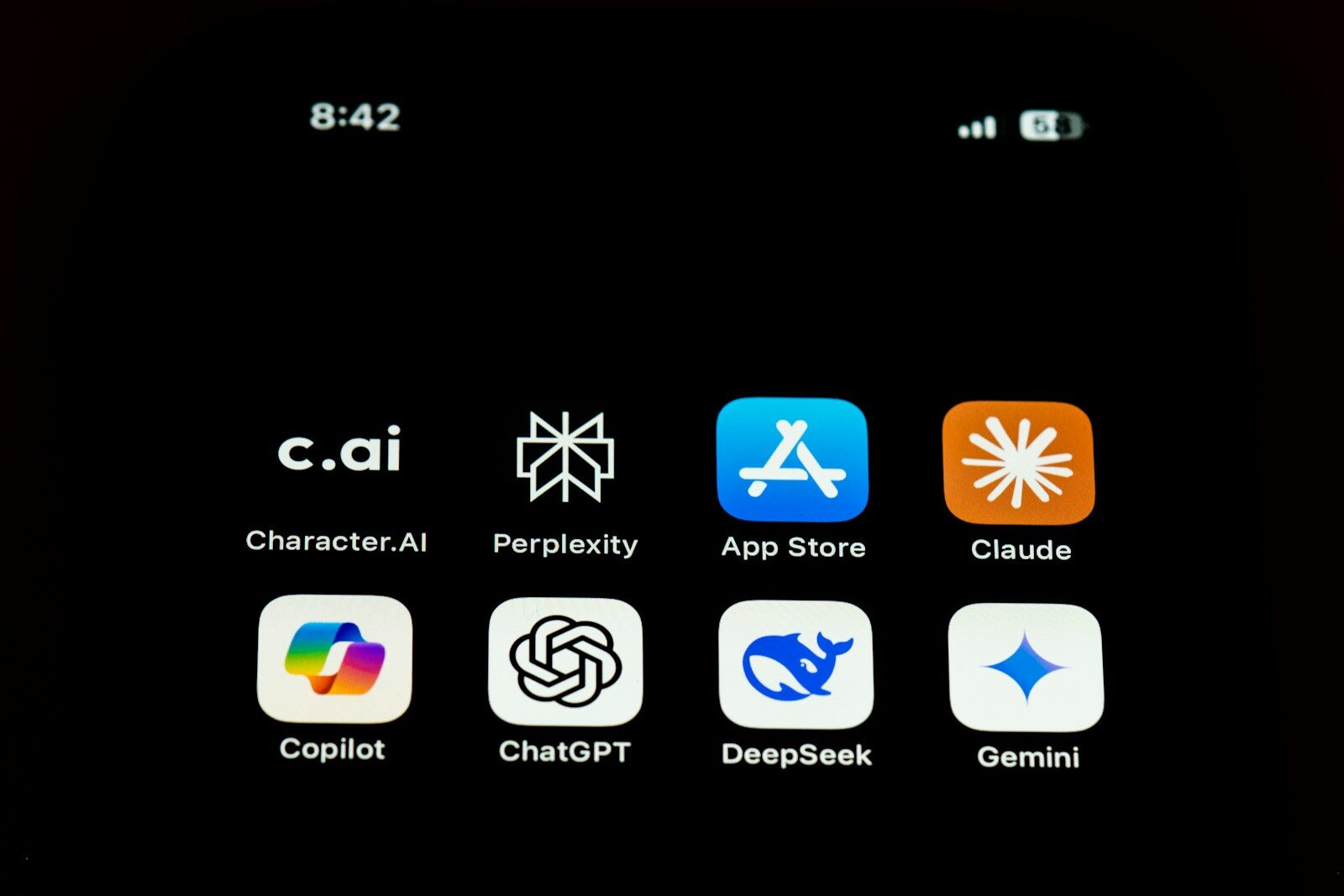
Examples include apps like Replika, Character AI, and similar platforms.
Real interaction involves:
It’s messy, inconsistent, and sometimes frustrating—but also deeply meaningful.
| Aspect | AI Companion | Real Interaction |
|---|---|---|
| Availability | 24/7 | Limited |
| Emotional Depth | Simulated | Real |
| Consistency | High | Variable |
| Risk of Judgment | Low | Present |
| Growth Potential | Limited | High |
AI is always there. No scheduling, no waiting.
Users can express thoughts freely without fear of criticism.
AI can provide comforting responses and structured reflection.
Useful for:
AI adapts to user preferences over time.
Humans feel, react, and understand in ways AI cannot replicate.
Real interaction challenges you, which leads to development.
Memories, events, and context create deeper bonds.
Humans don’t always agree with you—and that’s valuable.
Tone, body language, and nuance go far beyond text.
Relying too heavily on AI can reduce real-world engagement.
AI simulates empathy but doesn’t truly understand.
AI often agrees or validates, which can limit perspective.
Sensitive conversations may be stored or processed.
To be fair, humans aren’t perfect either.
Real relationships involve disagreement and emotional risk.
People are unpredictable and sometimes unreliable.
Judgment and expectations can limit openness.
The most important insight is this:
AI companions and real interaction serve different roles.
AI is best for:
Humans are essential for:
Trying to replace one with the other usually leads to problems.
Short-term use of AI companions is generally helpful.
Long-term overuse can lead to:
Balance is key.
AI companions will improve in:
But they still won’t replace human experience.
They’ll become better tools—not substitutes.
AI companions offer convenience, consistency, and a low-risk way to communicate.
Real human interaction offers depth, growth, and genuine connection.
The smart approach isn’t choosing one over the other—it’s knowing when to use each.
Because while AI can simulate conversation, it can’t replace being understood by another human being.
No. They can support interaction but cannot replace genuine human connection.
They can help with reflection and light emotional support, but they are not a substitute for professional help or real relationships.
Overuse can lead to emotional dependency, reduced social interaction, and unrealistic expectations.
Because AI is always available, non-judgmental, and predictable.
As a supplement to real interaction, not a replacement.