Breaking News

Enter your email address below and subscribe to our newsletter
 ByTwitter
How are AI companions changing human relationships? Explore the impact, benefits, risks, and future of AI-driven interaction in 2026.
Human relationships used to be simple in one very inconvenient way: they required other humans.
Now, that’s… optional. At least partially.
AI companions—chatbots designed for conversation, emotional interaction, and simulated relationships—are quietly reshaping how people connect, communicate, and even define companionship itself.
This isn’t some distant future scenario. It’s already happening.
So the real question isn’t if AI companions are changing human relationships.
It’s how much—and in what direction.
AI companions didn’t appear overnight. They evolved from basic chatbots into systems capable of:
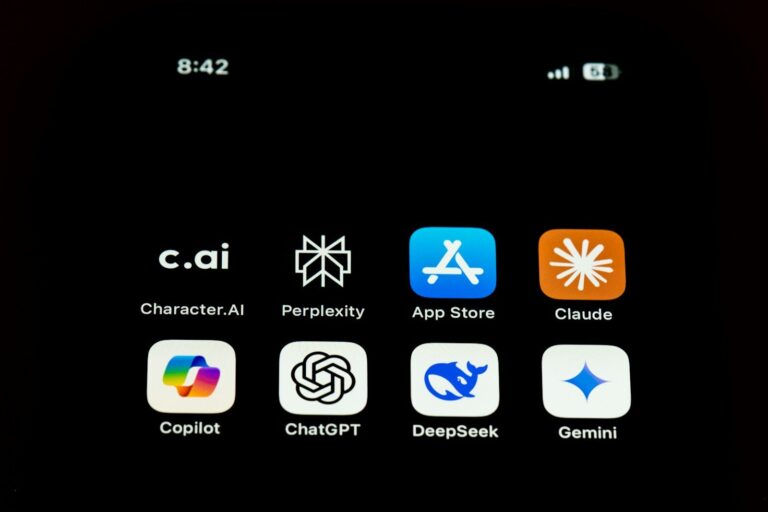
Apps like Replika, Character AI, and others pushed this shift from utility to interaction.
And once AI stopped feeling like a tool and started feeling like a presence, user behavior changed fast.
Let’s skip the polite explanations and look at what’s actually happening.
Humans are inconsistent. AI is not.
No judgment, no rejection, no social risk.
Users can guide conversations in ways real relationships don’t allow.
AI adapts. People rarely do at the same speed.
Put all that together, and AI becomes a low-friction alternative for interaction.
Before assuming this is all bad, there are real benefits.
Some users practice conversations with AI before engaging with real people.
This can help with:
AI provides a space to:
It’s not therapy, but it can support self-reflection.
For people who feel isolated, AI offers immediate interaction.
Even simulated conversation is better than silence for many users.
Users can experiment with:
Without real-world consequences.
Now for the part people try to ignore.
If AI becomes the easier option, people may avoid more complex human relationships.
AI is designed to be agreeable, responsive, and attentive.
Real people are not.
This gap can create dissatisfaction in real relationships.
Some users begin to rely on AI for consistent emotional support.
That’s where things get complicated.
AI doesn’t challenge you the way humans do.
And while that feels good, it limits growth.
AI isn’t replacing human relationships—but it is reshaping them.
People now split interaction between:
As users get used to “perfect” AI responses, patience for human inconsistency drops.
The definition of companionship is expanding to include non-human interaction.
That alone is a major cultural shift.
Short-term effects can be positive.
Long-term patterns are more complex.
Again, balance determines the outcome.
No. And also… not entirely.
They’re not replacing humans in:
But they are replacing certain functions:
That distinction matters.
Technology doesn’t just support behavior—it changes it.
AI companions:
And once behaviors shift, expectations follow.
This shift raises real questions:
There are no clear answers yet.
If you’re going to use them—and you probably are—do it intelligently.
Simple advice. Rarely followed consistently.
This isn’t slowing down.
Expect:
The line between human and AI interaction will continue to blur.
AI companions are changing human relationships—not by replacing them, but by redefining how interaction works.
They offer convenience, consistency, and emotional accessibility.
Humans offer depth, unpredictability, and real connection.
The future isn’t one or the other.
It’s both—whether people are ready for that or not.
They are altering how people communicate, providing alternative interaction, and influencing expectations in real relationships.
They can be if overused, but when used in balance, they can support communication and reflection.
No. AI can simulate interaction but cannot replace genuine emotional connection.
Because AI offers consistent, personalized, and non-judgmental interaction.
It will become more advanced, immersive, and integrated into daily life.